Why Your Company Parking Lot May Be an Overlooked Injury Risk
When business leaders think about workplace safety, they often picture a busy shop floor, a construction site crisscrossed with heavy machinery, or even an open-plan office. But one of the most common and overlooked areas where an injury can occur is just outside your building’s front door: the company parking lot.
In some cases, an injury in the parking lot can sometimes be considered a work-related incident, potentially leading to a workers’ compensation parking lot claim.
The good news is that improving parking lot safety is often more straightforward and cost-effective than you might imagine. By recognizing the hidden dangers and implementing simple, proactive measures, you can create a safer environment for your entire team, from the moment they arrive to the moment they leave.
Hidden risks of the parking lot
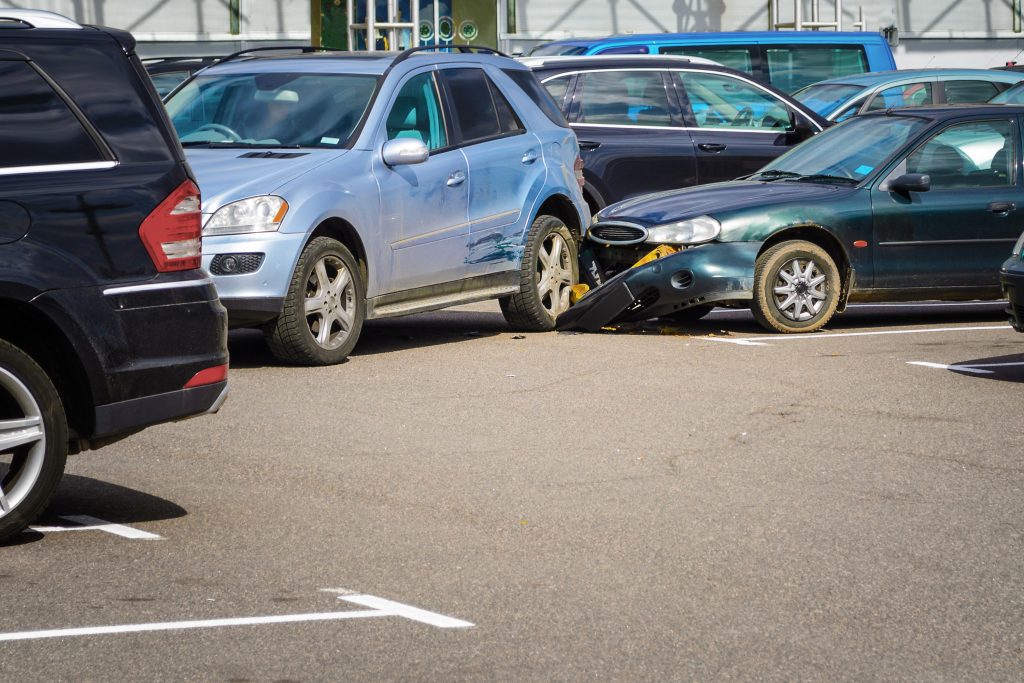
Parking lots and garages present a unique set of challenges that distinguish them from public roadways. While they may seem safer due to vehicles driving at slow speeds, they are often the site of low-speed collisions and pedestrian incidents. Several factors contribute to this heightened risk.
Distractions and lowered awareness
A primary issue is the mindset of both drivers and pedestrians. Once people enter the perceived “safety” of a parking lot, they tend to relax. Drivers might get distracted by their phones, searching for a parking spot, or thinking about the day ahead.
Similarly, pedestrians might be rummaging through a bag, talking on the phone, or walking with their heads down, assuming drivers will see them. This combined lack of focused attention creates a dangerous environment where accidents are more likely to happen.
Visibility
Parking lots are also filled with blind spots. Large vehicles, support columns in garages, and parked cars can obstruct the view for both drivers backing out of spaces and pedestrians walking between rows. The constant mix of moving vehicles and people on foot in a relatively confined space means there are numerous points of potential conflict.
Delivery and service vehicles
Finally, the presence of delivery trucks and other service vehicles can introduce unpredictability. Without designated loading and unloading zones, these larger vehicles may be forced to park in unusual locations or make unexpected maneuvers. Their size can block sightlines, and their movements may be unpredictable compared to passenger vehicles, increasing the risk of an incident.
How to reduce injury risk in parking lots
Preventing pedestrian and motor vehicle accidents in an open-air parking lot involves a combination of physical improvements, clear communication, and promoting safe behaviors.
Improve visibility and awareness
- Install bright, energy-efficient lighting: Well-lit areas are crucial, especially for employees arriving or leaving in the dark. Ensure that all corners of the parking lot are illuminated to eliminate dark spots where someone could trip or not be seen by a driver.
- Use clear signage: Install stop signs, speed limit signs (5-10 mph is common), and pedestrian crossing signs. Visual cues at eye level remind drivers to be cautious and aware of their surroundings.
- Paint clear markings: Ensure parking space lines, directional arrows, and pedestrian walkways are clearly painted and maintained. Designate specific crosswalks with high-visibility paint to guide foot traffic along the safest routes.
Manage traffic flow
- Create designated pedestrian walkways: Where possible, create paths that are physically separated from vehicle traffic.
- Consider one-way traffic lanes: This can simplify the flow of traffic and reduce the likelihood of head-on collisions or confusion at intersections.
- Implement a designated area for deliveries: Direct pedestrians away from designated loading or delivery areas where drivers may have blind spots or make unpredictable maneuvers.
Maintain the surface
- Repair potholes and cracks: A smooth, even surface prevents trips and falls for pedestrians and reduces potential vehicle damage.
- Ensure proper drainage: Puddles can hide hazards and create slipping risks, especially in freezing temperatures when ice can form.
- Keep it clean: Regularly clear the lot of debris, snow, and ice. Plow and/or salt during winter months to improve traction for both vehicles and pedestrians.
Work-Fit is your on-call advisor for musculoskeletal injuries
At Work-Fit, our specialty is proactive injury prevention. While we excel at creating safer work environments from the job site to the loading dock, our team is also fully equipped to help you navigate injuries when they do occur, ensuring the proper course of action is taken to reduce costs to both the employer and employee.
Building a comprehensive safety culture means looking at every aspect of your workers’ days, including their journey to and from their vehicle. By addressing the hidden risks in your company parking lot, you can prevent needless injuries, reduce potential liability, and show your team that you value their well-being from start to finish.
Work-Fit is your partner in creating a true culture of safety. Learn more by reaching out to our team today.