How Industrial Athletes can Protect Their Spine Health
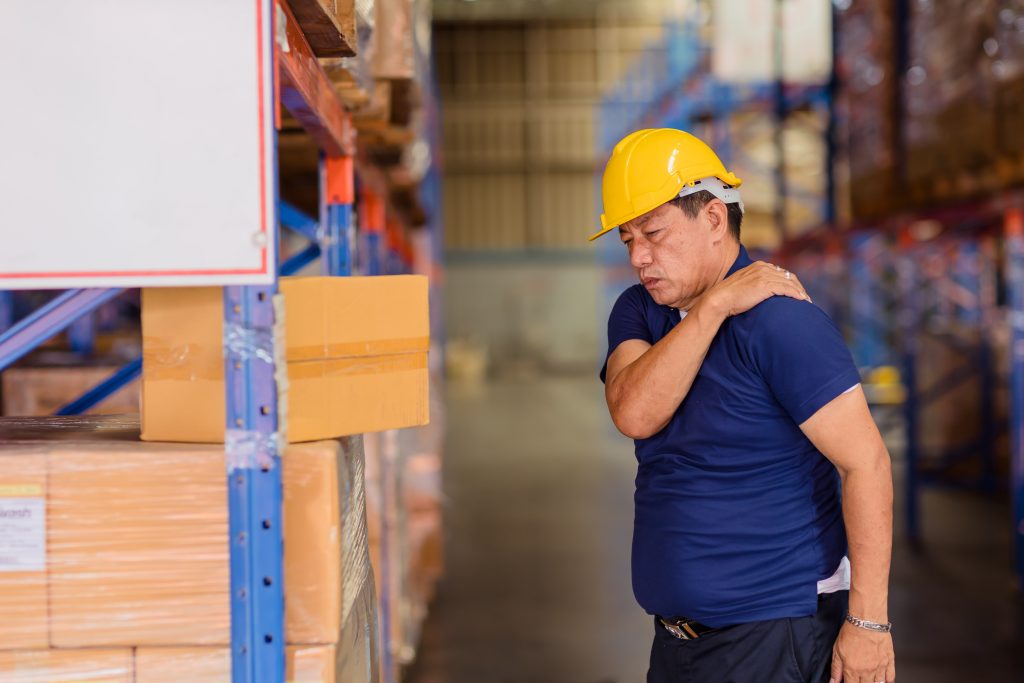
When you’re young, strong, and limber, it’s easy to take your body for granted. You move without thinking, lift without pausing, and push through long days feeling invincible. But over time, those small, repeated motions and strenuous efforts can add up.
For manual laborers/industrial athletes, this is especially true. Your ability to work and provide for your family is directly linked to your physical health, and at the center of it all is your spine.
Your spine is the core of your strength and movement. When your back is healthy, you can perform your job efficiently. But even minor issues with your back can quickly impact other parts of your body, leading to widespread pain and an immediate decrease in quality of work and life.
Back pain is one of the leading causes of injury for industrial athletes, forcing many to take time off work and miss out on income. Understanding how to protect your spine is not just about avoiding pain; it’s about securing your livelihood and ensuring a better quality of life for years to come.
Types of spinal injuries and conditions that affect workers
The daily demands of physical labor can lead to a range of spine-related injuries and conditions. These problems can develop suddenly from a single incident or gradually over time from repetitive strain. Recognizing the common types of injuries is the first step in effective spine injury prevention.
Here are some of the most frequent spinal issues that cause workers to need time off for recovery:
- Muscle strains and sprains: These are the most common back injuries, often caused by lifting something too heavy, twisting awkwardly, or overstretching the muscles and ligaments in the back.
- Herniated or bulged discs: The discs between your vertebrae act as cushions. A herniated or bulged disc (sometimes called a “slipped” disc) occurs when the soft inner part of the disc pushes against or through its tough outer layer, pressing on nearby nerves. This can cause intense pain, numbness, or weakness in the back, legs, or arms.
- Sciatica: This condition refers to pain that radiates along the path of the sciatic nerve, which branches from your lower back through your hips, buttocks, and down each leg. It can be caused by a herniated disc or a bone spur on the spine that compresses part of the nerve.
- Degenerative disc disease: Over time, the discs in your spine can wear down. This natural aging process can be accelerated by the physical stress of manual labor, leading to chronic pain, stiffness, and reduced flexibility.
On their own, back injuries can force you to take time off for days or weeks as you heal. And if left untreated, some conditions may eventually result in the need for back surgery. An operation can mean being out of work for months, facing a long and challenging recovery period that affects not only your finances but your overall well-being. This makes proactive spine care an essential part of your job.
How to protect the spine when working
The best approach to spine health is prevention. By adopting smarter habits and techniques on the job, you can significantly reduce your risk of injury and keep your back strong for the long haul.
Move often, but strain less
Staying in one position for too long, whether sitting or standing, puts pressure on your spine. Make it a habit to change your position regularly. Take short breaks to walk around, stretch, and give your back a rest from a static posture.
The goal is to keep your body moving without subjecting it to constant, repetitive strain. Listen to your body; if something starts to hurt, adjust your position or take a brief break.
Practice proper lifting techniques
Although you may be sick of hearing it, how you lift is one of the most important ways you can prevent spine injuries. The right technique depends on the load you’re carrying.
- Lifting from the front: When lifting an object in front of you, get as close to it as possible. Bend at your knees and hips, not your waist. Keep your back straight, engage your core muscles, and use the large muscles in your legs to lift. Hold the object close to your body as you stand up.
- Lifting from the side: For loads carried at your side, such as buckets or toolboxes, try to balance the weight evenly. If possible, split the load into two smaller containers and carry one in each hand. If you must carry a single heavy item, switch hands frequently to avoid putting all the strain on one side of your body.
Warm-up before your shift
You wouldn’t run a race without warming up, and the same principle applies to your workday. Before you start your shift or switch to a different physically demanding activity, take a few minutes to prepare your body. Gentle stretches, light cardio like jogging in place, or dynamic movements can increase blood flow to your muscles, making them more flexible and less prone to injury.
Keep your core strong
Your core muscles—the muscles in your abdomen, back, and pelvis—are your spine’s support system. A strong core helps stabilize your spine and reduces the load on your lower back during physical tasks.
Incorporate simple core-strengthening exercises into your routine outside of work. Planks, bridges, and bird-dog exercises are excellent for building core strength without needing any special equipment.
Work-Fit strengthens the health of industrial athletes
Protecting your body is the smartest investment you can make in your career and your future. While these individual tips are a great starting point for work injury prevention, participating in a workplace culture that prioritizes employee health can make an even greater impact.
Work-Fit specializes in bringing onsite injury prevention and wellness services directly to your workplace. Our programs are designed to empower industrial athletes like you with the knowledge and tools to stay healthy, strong, and productive. We work with your team to integrate practices that reduce injuries, improve morale, and keep everyone working at their best.
If you believe your team could benefit from proactive spine care and comprehensive wellness support, talk to your site leader or HR team about contacting Work-Fit for injury prevention and industrial athletic training services.