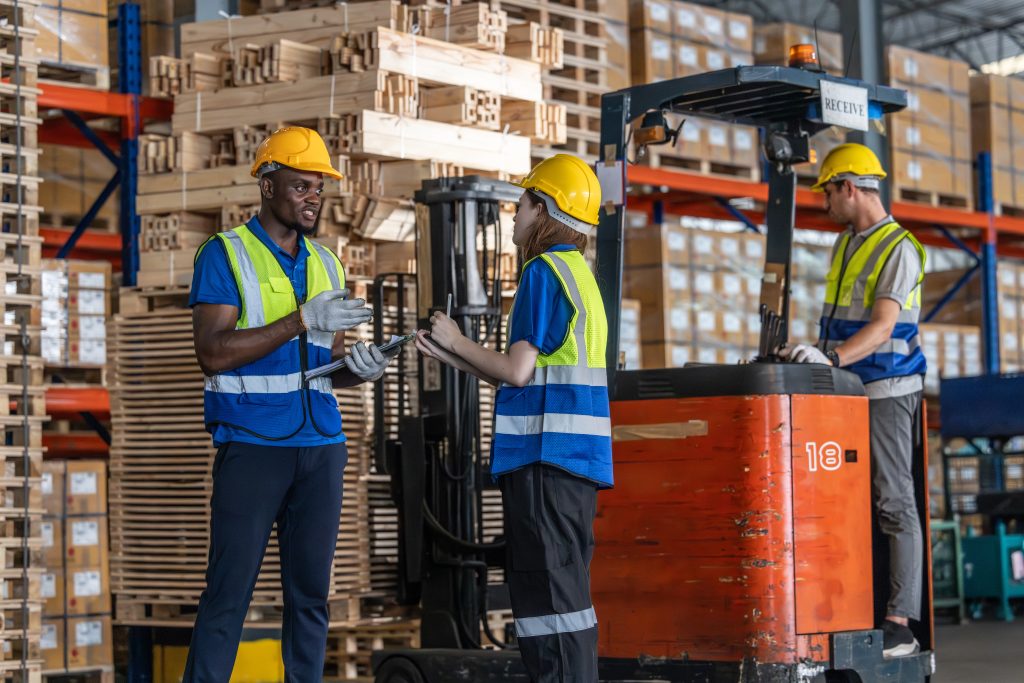
Return to Work Support Ensures Seamless Transitions After Injury
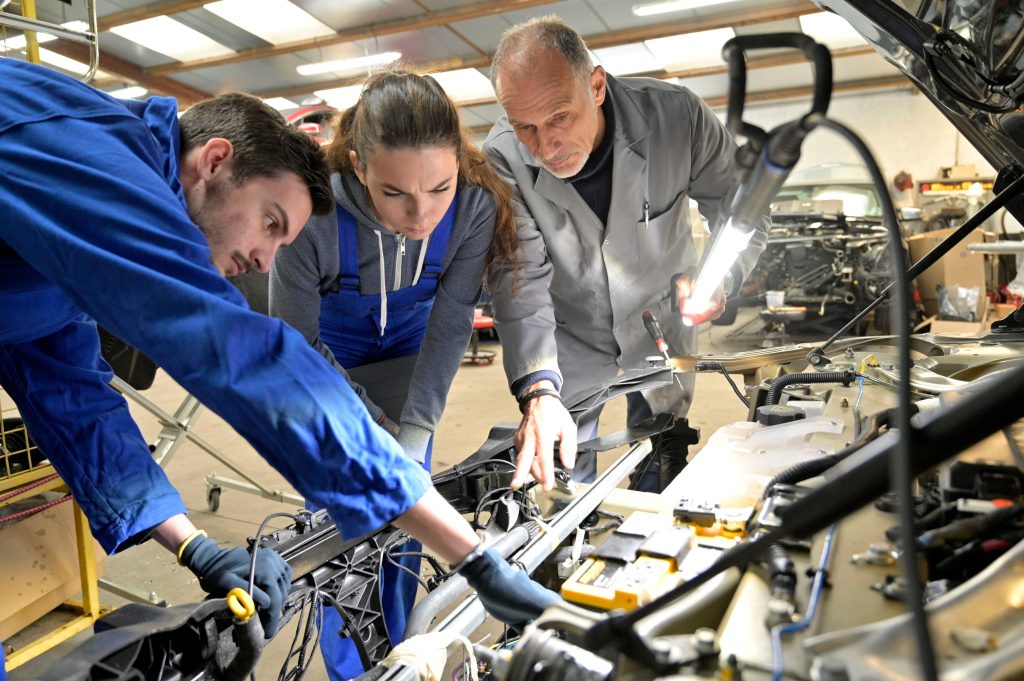
Recovering from an injury is rarely a linear process. Two employees might sustain a similar back strain, but their roads to recovery can look completely different based on their age, fitness level, and the specific demands of their daily tasks. That’s why a single return-to-work (RTW) procedure that attempts to be one-size-fits-all doesn’t always work.
When an employee returns after an injury absence, it’s a delicate time. They might be medically cleared to return to their job, but that doesn’t always mean they’re ready to jump back into their full workload at 100% capacity. Without a flexible and adaptable set of procedures, consistent check-ins, and safety contingencies, you may find your workforce stuck on a carousel of recurring injuries.
This cycle is frustrating for the employee and costly for the employer. Work-Fit disrupts this cycle by providing on-site Work-Fit Specialists to bridge the gap between healthcare and the workplace, ensuring companies can create a supportive environment that prioritizes the health of the worker while protecting the bottom line.
How RTW can fail employees and strain budgets
Returning to work after an injury is often stressful even while being something to celebrate. There’s the pressure to catch up on missed work, subtle anxiety of re-injury, and perhaps the physical discomfort of using muscles that may have been inactive for weeks. Without the right support system, these factors can combine to create a hazardous situation.
The gap between clinical rehab and industrial reality
In a typical scenario, an injured worker goes to physical therapy in a controlled, clinical environment. As their injury heals, physical therapists will have them lift weights or stretch to maintain mobility and strength in highly controlled situations at home or in the clinic.
However, the job site or factory floor is loud, dynamic, and unpredictable. A “clean bill of health” from a PT doesn’t always account for the specific, repetitive labor required at your workplace.
When an employee steps back onto the floor, they might find that their body doesn’t react the way it used to. They may have lost some conditioning, or they might be favoring the injured area, which inevitably leads to strain on other parts of the body. If there isn’t a trained eye watching these mechanics, a secondary injury is often just around the corner.
When the job (or the person) has changed
Sometimes, this disconnect between rehab and work comes from changes in the workflow. While an employee was out recovering, processes might have been updated, or quotas might have shifted. If the employee’s capabilities have changed—perhaps they have a permanent restriction or a little less stamina at first—and the job demands have increased, there’s a friction point.
It’s difficult for a busy floor manager to constantly monitor whether a returning employee is struggling with these changes. The manager’s focus is on production, not necessarily on the subtle biomechanical signs of fatigue.
This is where the (RTW) process often increases stress on the mind and body, leaving the employee feeling unsupported and vulnerable.
How Work-Fit supports RTW and drives value
This is where the presence of an on-site provider like a Work-Fit Physical Therapist or Athletic Trainer. Just as athletic trainers support sports teams by managing players’ health and return to play, industrial athletic trainers do the same for the “industrial athlete.” They provide the consistent coaching and medical oversight needed to navigate those first critical weeks back on the job.
Consistent coaching and oversight
An on-site Work-Fit Specialist provides a level of continuity that off-site medical providers simply can’t match. They can observe the employee in their actual work environment, performing real tasks.
This allows for real-time coaching. For example, if a returning worker is lifting a box with poor posture to protect a healing back, the Work-Fit Specialist can step in immediately to correct the form or suggest a modification. It’s not about policing the employee; it’s about guiding them safely through their day. These check-ins ensure that the RTW plan isn’t just a piece of paper—it’s an active, managed process.
Boosting morale through communication
One of the hardest parts of being injured is the feeling of isolation or the worry that you’re becoming a burden to the team. When an employer provides on-site specialists, it sends a clear message: “We care about your health and we want you to work safely.”
In some workflows, a Work-Fit Specialist serves as a vital communication bridge. They can translate medical restrictions into practical work language for supervisors, ensuring everyone is on the same page. If an employee’s duties need to be modified, the trainer advocates for those changes, reducing the awkwardness or fear an employee might feel about speaking up for themselves. This boosts morale and fosters a culture of safety and trust.
Immediate intervention for symptom flare-ups
Recovery doesn’t happen in a straight line. There will be good days and bad days. In a traditional model, if an employee starts feeling sore two days after returning, they might push through the pain to avoid “causing trouble,” eventually leading to more severe symptoms that can’t be ignored.
With Work-Fit support, that employee can go to a trained specialist at the first sign of soreness, fatigue, or twinging. The trainer can assess the soreness immediately. Is it just normal fatigue from returning to activity, or is it a warning sign of re-injury? They can provide first aid, suggest stretching or icing protocols, or recommend modifying the day’s tasks to allow for resting the problem area. This ability to quickly intervene prevents minor aches from turning into prolonged injuries that increase cost and downtime.
Learn more about Work-Fit
Injuries are never ideal, but how an organization handles the return-to-work process speaks volumes about its values. Work-Fit’s on-site Specialists partner with your existing safety and HR resources to transform stressful and potentially risky RTW transitions into managed, supported success stories.
Are you ready to stop the cycle of re-injury and support your employees with intentional, expert care? Our team of professionals is ready to help you build a safer, more resilient workforce. Contact us today to learn more about how RTW works better with Work-Fit.
Recent Blogs
- Return to Work Support Ensures Seamless Transitions After Injury
- 3 Ways Ergonomics Helps Prevent Workplace Injuries
- How Industrial Athletes can Protect Their Spine Health
- Reduce Employee Health Costs With On-Site Care
- Why Your Company Parking Lot May Be an Overlooked Injury Risk